Gluco Mild Official Website › Blog › Horse Chestnut
Horse Chestnut: The Extract In The Trials Is Not The Seed
Horse chestnut has the strongest single result in this category: an oral extract that matched compression stockings in a Lancet trial. Every word of that sentence depends on which horse chestnut material is meant, and the distinction is one most labels, including this one, never make.
- The horse chestnut trials used a seed extract standardised to aescin, dosed at 50 mg of aescin twice daily for twelve weeks.
- NCCIH states that the raw seeds, bark, flowers and leaves are unsafe taken by mouth, because they contain a toxic component that processing removes.
- In a 1996 Lancet trial the oral extract matched compression stockings on lower leg volume, which is the most serious comparison any plant in this category has survived.
- Cochrane pooled seventeen trials and called it efficacious and safe for short-term use, while asking for more definitive evidence.
- This label names horse chestnut with no plant part, no standardisation and no amount, so none of the above can be attached to this bottle.
One tree, two materials
Aesculus hippocastanum grows across Europe and produces the conker that children collect. The tree supplies two entirely different things to the supplement shelf and the packaging rarely distinguishes them.
One is raw plant material: the seed as it comes, or the bark, flowers and leaves. The other is a processed seed extract, concentrated and standardised to a stated percentage of aescin, with a toxic component removed during manufacture.
Those two are not variants of one ingredient. They differ on safety and they differ on evidence, and the difference runs in the same direction on both counts.
| Standardised seed extract | Raw seed, bark, flower or leaf | |
|---|---|---|
| What it is | A processed extract standardised to a stated percentage of aescin | The unprocessed plant material |
| The toxic component | Removed during processing, which is the point of the processing | Present. NCCIH states these parts are unsafe taken by mouth |
| Where the human trials sit | Seventeen randomised trials in chronic venous insufficiency | No trials. This is not a form anybody studied |
| How the dose is expressed | Milligrams of aescin, typically 50 mg twice daily | Not applicable |
| What a label has to say for the research to apply | The word extract, plus a standardisation figure | — |
Two materials from one tree, and the distinction decides both whether the evidence applies and whether the material is safe to swallow.
Why the safety line is stated first
The National Center for Complementary and Integrative Health states plainly that raw horse chestnut seeds, bark, flowers and leaves are unsafe taken by mouth because they contain a toxic component. That is the single most consequential sentence attached to any plant on this bottle’s artwork, which is why it is quoted rather than paraphrased here and on the side effects page.
What aescin is and why it is the unit
Aescin is a mixture of saponins from the seed, and it is the component the venous research attributes the effect to. It matters here for a practical reason rather than a chemical one: it is the unit the trials dose in.
When a study says 50 mg twice daily, it means 50 mg of aescin, not 50 mg of seed extract and not 50 mg of seed. A 250 mg extract standardised to 20 per cent aescin delivers 50 mg of aescin; the same 250 mg at 5 per cent delivers 12.5 mg. Same weight on a panel, a quarter of the dose that was studied.
That is why a standardisation figure is not a technicality. Without it, a weight on a label cannot be converted into the quantity the research measured, and the trial doses become unusable.
The trial that made the plant's reputation
The 1996 comparison published in the Lancet took people with chronic venous insufficiency and compared oral horse chestnut seed extract against compression stockings over twelve weeks. The extract matched the stockings on lower leg volume.
Compression is the standard of care and the guidelines put it first. A supplement matching it in a randomised comparison is a different order of result from beating a placebo, and it is the reason horse chestnut is the one plant in this category with a genuine claim on a clinician's attention.
Three qualifications belong beside it, and none of them undoes it. The trial was twelve weeks rather than years. Leg volume is a measurement rather than a feeling. And the comparison was against stockings worn in ordinary conditions, where adherence is the perennial problem.
See where horse chestnut sits on the Gluco Mild ingredient list
Seven named botanical extracts, five with a human venous record, and the published trial dose printed beside every one of them.
Price shown at the seller’s checkout · seller’s satisfaction money-back guarantee
Order Gluco Mild On The Official WebsiteTwo drops a day · 2 fl oz / 60 ml a bottle · lot GLU-26/GO-6518
What the pooled evidence adds
One striking trial is a reason to look further rather than a conclusion. The pooled work is where horse chestnut earns its position.
| The study | What it compared | The result |
|---|---|---|
| The 1996 Lancet comparison | Oral seed extract against compression stockings over twelve weeks | The extract matched the stockings on lower leg volume |
| The Cochrane review | Seventeen randomised trials against placebo and against comparators | An efficacious and safe short-term treatment, with a call for more definitive evidence |
| The meta-analysis of thirteen trials | Efficacy, routine effectiveness and safety pooled together | Consistent benefit on leg volume and symptoms |
| The placebo-controlled oedema study | Extract against placebo in deep vein incompetence | Reduced oedema against placebo |
| The criteria-based review | The trial literature assessed against methodological criteria | Support for efficacy, with quality limits named |
Five entries, one plant, and a dose stated in every one of them: 50 mg of aescin twice daily is the figure the comparison against stockings used.
The Cochrane review is the anchor: seventeen randomised trials, and a conclusion that the extract is an efficacious and safe short-term treatment for chronic venous insufficiency, with a request for more definitive evidence. A meta-analysis of thirteen trials and an earlier criteria-based review reach compatible positions, and a placebo-controlled study in deep vein incompetence covers oedema specifically.
Set against the class as a whole, that is the top of the field. The Cochrane review of phlebotonics generally found moderate-certainty evidence of a slight reduction in oedema, and horse chestnut is one of the reasons that verdict is as positive as it is.
Reading the horse chestnut row on this bottle
Here is where the article stops flattering the ingredient and starts examining the label.
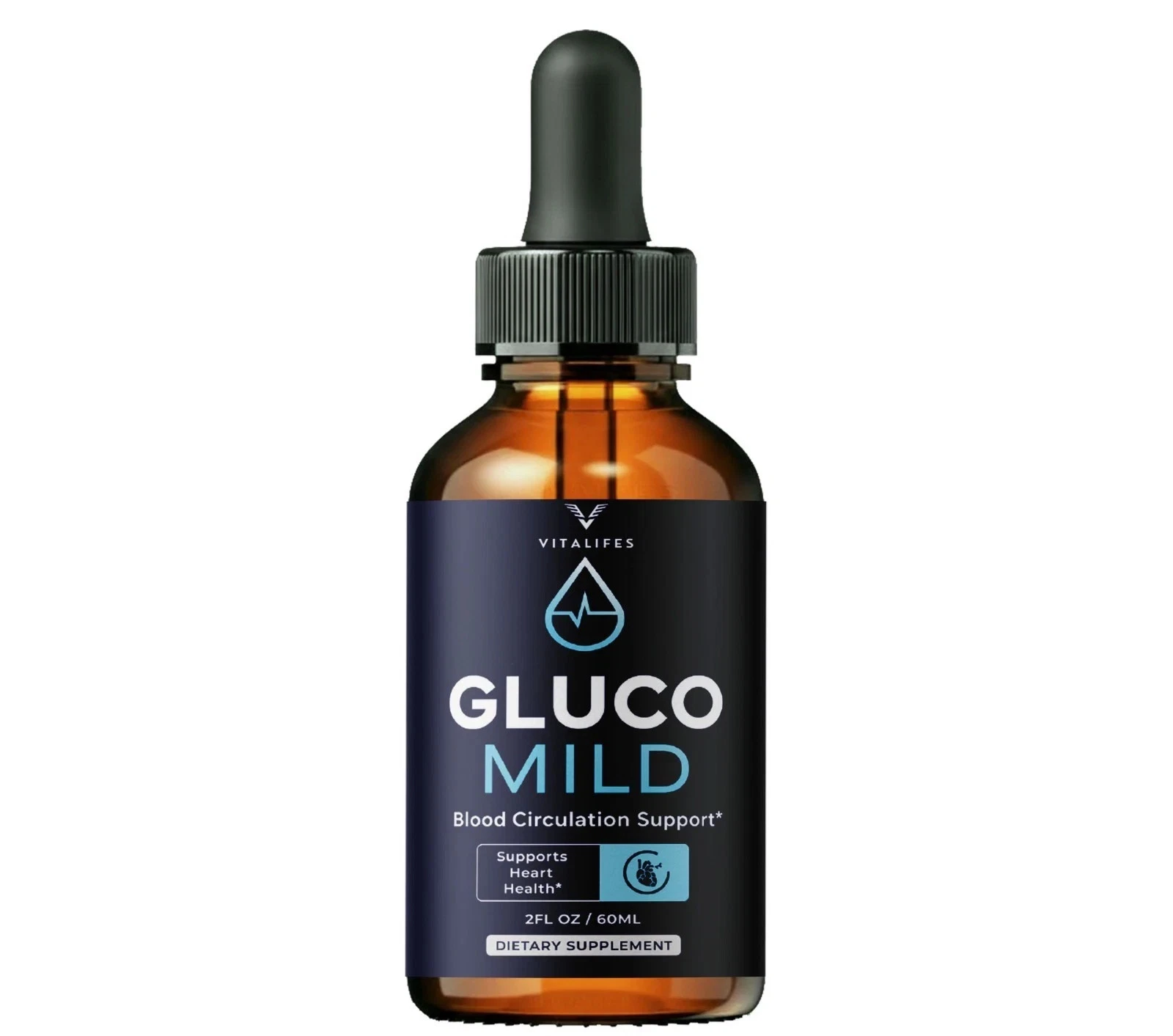
The seller's ingredient artwork prints Horse Chestnut Extract. It is one of only two of the seven names that does not carry a plant part in brackets, the other being motherwort. No standardisation is stated. No amount is stated, because there is no Supplement Facts panel on this pack at all.
- Part not named. The word extract suggests processed material rather than raw seed, which is reassuring as far as it goes. It is an inference from one word rather than a statement.
- No aescin figure. Without it, the 50 mg twice-daily trial dose cannot be compared with anything on this bottle.
- No weight at all. Even an unstandardised milligram figure would give a ceiling. There is none.
- A liquid rather than a capsule. The trials used oral solid preparations, and nothing in the material addresses the difference.
So the strongest evidence in this category sits behind an ingredient on this label, and none of it can be claimed for this bottle. That is the fairest single criticism available of this product, and it is why it appears here and on the ingredients page rather than in small print.
What the label is not being accused of
The criticism above is narrow and it is worth marking its edges.
- Not of containing raw seed. Nothing says it does. The word extract points the other way and there is no evidence of a problem. The point is that the label does not resolve the question either way.
- Not of choosing a poor ingredient. Horse chestnut is the best-evidenced plant available for this use case. Including it is the formulator getting something right.
- Not of hiding a dose. There is no panel at all, so nothing is being concealed selectively. The whole document is missing, which is a different failing from a misleading one.
- Not of overclaiming. The two printed lines are blood circulation support and supports heart health. Neither mentions veins, volume or oedema, and neither borrows the Lancet result.
Three changes that would settle it
- Name the material. Horse chestnut seed extract, in those words, removes the safety question in four characters.
- State the standardisation. A percentage of aescin is what converts a weight into the quantity the trials used.
- Print an amount. With the first two in place, a milligram figure makes the whole published literature applicable to this bottle for the first time.
The three are cumulative and they have to arrive in that order. Naming the part without a standardisation still leaves the dose unusable; printing a weight without the standardisation leaves it ambiguous.
Four questions for any horse chestnut label
- Does it say seed, and does it say extract? Those two words are the safety answer.
- Is an aescin percentage given? Without it a weight cannot be converted.
- How many milligrams of aescin does a daily serving work out at? The trials ran at 100 mg a day, as two doses of 50 mg.
- Is the product a solid preparation, as the trials were, or something else?
On this bottle: extract but not seed, no percentage, no weight, and a liquid. One of four answers is reassuring and the other three are blank. The category guide runs the same exercise across all seven plants.
A dietary supplement for healthy adults of 18 and over. Not a medicine and not FDA-approved. Speak to a prescriber before taking it alongside an anticoagulant, a heart medicine or a blood pressure medicine. Swelling, heaviness or a skin change in one leg rather than both is a pattern that wants assessing rather than supplementing, and a separate article covers that properly.
References
- Pittler MH, Ernst E. Horse chestnut seed extract for chronic venous insufficiency. Cochrane Database Syst Rev. 2012;11(11):CD003230. PMID 23152216. https://pubmed.ncbi.nlm.nih.gov/23152216/
- Diehm C, Trampisch HJ, Lange S, Schmidt C. Comparison of leg compression stocking and oral horse-chestnut seed extract therapy in patients with chronic venous insufficiency. Lancet. 1996;347(8997):292-4. PMID 8569363. https://pubmed.ncbi.nlm.nih.gov/8569363/
- Siebert U, Brach M, Sroczynski G, Berla K. Efficacy, routine effectiveness, and safety of horsechestnut seed extract in the treatment of chronic venous insufficiency. A meta-analysis of randomized controlled trials and large observational studies. Int Angiol. 2002;21(4):305-15. PMID 12518108. https://pubmed.ncbi.nlm.nih.gov/12518108/
- Pittler MH, Ernst E. Horse-chestnut seed extract for chronic venous insufficiency. A criteria-based systematic review. Arch Dermatol. 1998;134(11):1356-60. PMID 9828868. https://pubmed.ncbi.nlm.nih.gov/9828868/
- Diehm C, Vollbrecht D, Amendt K, et al. Medical edema protection - clinical benefit in patients with chronic deep vein incompetence. A placebo controlled double blind study. Vasa. 1992;21(2):188-92. PMID 1621440. https://pubmed.ncbi.nlm.nih.gov/1621440/
- Horse Chestnut. National Center for Complementary and Integrative Health, National Institutes of Health. States that the raw seeds, bark, flowers and leaves are unsafe taken by mouth because they contain a toxic component. https://www.nccih.nih.gov/health/horse-chestnut
- Martinez-Zapata MJ, Vernooij RW, Simancas-Racines D, et al. Phlebotonics for venous insufficiency. Cochrane Database Syst Rev. 2020;11(11):CD003229. PMID 33141449. https://pubmed.ncbi.nlm.nih.gov/33141449/