Gluco Mild Official Website › Blog › One Leg Or Two
One Leg Or Two? When Swelling Is Not A Supplement Question
Most people who buy a circulation supplement have two tired legs at the end of a long day. A smaller number have one swollen leg, and that is a different problem with a different urgency. Telling the two apart is the most useful thing this blog can do, and it costs the product on the shelf beside it.
- Swelling in both legs that builds through the day and settles overnight is the ordinary pattern of chronic venous disease.
- Swelling, pain, heat or colour change in ONE leg, particularly over hours or days, is a pattern that wants assessing promptly rather than supplementing.
- The vascular guidelines put assessment, compression and movement ahead of any oral preparation.
- Cochrane's verdict on the whole oral class is moderate-certainty evidence of a slight reduction in oedema against placebo.
- A supplement is a reasonable fifth step. It is a poor first one, and it is not a substitute for finding out what is going on.
Two conversations that look alike
Almost everything sold in this category is sold to one of two people, and the packaging cannot tell them apart.
The first has legs that ache and feel heavy by evening, ankles that puff up on a long standing shift or a long flight, and a pattern that has crept up over years. That is chronic venous disease, it is extremely common, and it is a reasonable thing to manage with compression, movement and, at the margins, an oral preparation.
The second has one leg that has changed. It is bigger than the other, or it hurts, or the skin is hot or discoloured, and it happened over hours or days rather than years. That is not a supplement question and no bottle on any shelf is an answer to it.
Both people arrive at the same web pages. This one is written for the second.
The pattern that changes the urgency
| The pattern these products are sold for | The pattern that needs looking at | |
|---|---|---|
| How many legs | Both, roughly equally | One, or one much more than the other |
| How it started | Gradually, over months or years | Over hours or a day or two |
| Through the day | Builds while standing, settles overnight | Persists, or worsens without settling |
| What the skin does | Unchanged, or slowly discoloured over years | Red, hot, tight or newly discoloured |
| Pain | Aching, heaviness, tiredness | Calf pain, tenderness, pain on walking |
| What it usually is | Chronic venous disease | Something that wants a diagnosis |
Not a diagnostic tool and not a substitute for an examination. A way of recognising which of two conversations you are having.
The right-hand column is not a diagnosis and this page cannot make one. It is a description of a pattern that deserves somebody who can examine the leg, take a history and, if needed, arrange an ultrasound.
The reason for stating it so plainly is that a deep vein thrombosis presents in the right-hand column, and the cost of treating it as the left-hand column for three weeks while a bottle is tried is not a cost a website should risk a reader paying.
Contact a clinical service the same day rather than ordering anything. Sudden swelling in one leg, particularly with calf pain, heat or a colour change, and above all with any breathlessness or chest pain, is an urgent assessment rather than a supplement decision.
What chronic venous disease actually is
For the much larger group in the left-hand column, the mechanism is worth understanding, because it explains why the sensible measures are the ones they are.
Leg veins return blood upward against gravity. They manage it with one-way valves and with the squeeze of the calf muscle acting as a pump every time you take a step. When valves leak, blood falls back and pressure stays high in the standing leg.
High pressure in the smallest vessels pushes fluid out into the tissue, which is the swelling. It also produces the heaviness, the aching and, over years, the skin changes around the ankle. MedlinePlus describes the condition in ordinary language and is worth ten minutes before any purchase.
That mechanism is why standing still is the worst thing for it and why walking is one of the best. The pump only works when the muscle moves.
The order the guidelines put things in
The specialty has written down what it recommends, and reading it is a useful corrective to any supplement page, this one included. The 2022 vascular surgery, venous forum and vein society guidelines and part II of the same set cover the management of varicose veins and lower extremity venous disease.
| Step | What it is | Where the evidence sits |
|---|---|---|
| 1. An assessment | Somebody who can examine the leg and, if needed, image it | The vascular surgery guidelines describe what a first assessment covers |
| 2. Compression | Graduated stockings, fitted rather than bought by guesswork | Central to the guidelines, and the comparator horse chestnut was measured against |
| 3. Movement, weight and elevation | Calf muscle pumping, less standing still, legs up in the evening | Unglamorous, free, and routinely recommended |
| 4. Procedural treatment where indicated | Ablation and related procedures for varicose veins | A substantial part of the guidelines |
| 5. Oral preparations | Phlebotonics, the class this product sits in | Cochrane: moderate-certainty evidence of a slight reduction in oedema |
The order matters more than any single row. A supplement is the fifth item on this list rather than the first.
Notice what is at the top and what is at the bottom. An assessment comes first because everything afterwards depends on knowing what you are treating. Compression and movement come next because they act directly on the mechanism. Oral preparations appear at the end, as an adjunct.
A supplement website that put itself at the top of that list would be lying about the field it operates in.
Why compression keeps coming first
Compression stockings are unglamorous, mildly annoying to put on and genuinely effective, which is an unpopular combination.
Graduated compression squeezes hardest at the ankle and less further up, which helps the return the leaky valves are failing to manage. It acts on the pressure itself rather than on anything downstream of it.
There is a neat piece of evidence for how seriously to take it. The best single result any plant in this category has produced is horse chestnut seed extract matching compression stockings on leg volume in a randomised comparison. Matching compression is the benchmark, which tells you what the benchmark is.
Two practical points. Stockings should be fitted rather than guessed, because the wrong size is uncomfortable and less effective. And anyone with significant arterial disease needs that checked before wearing compression at all, which is another reason step one is step one.
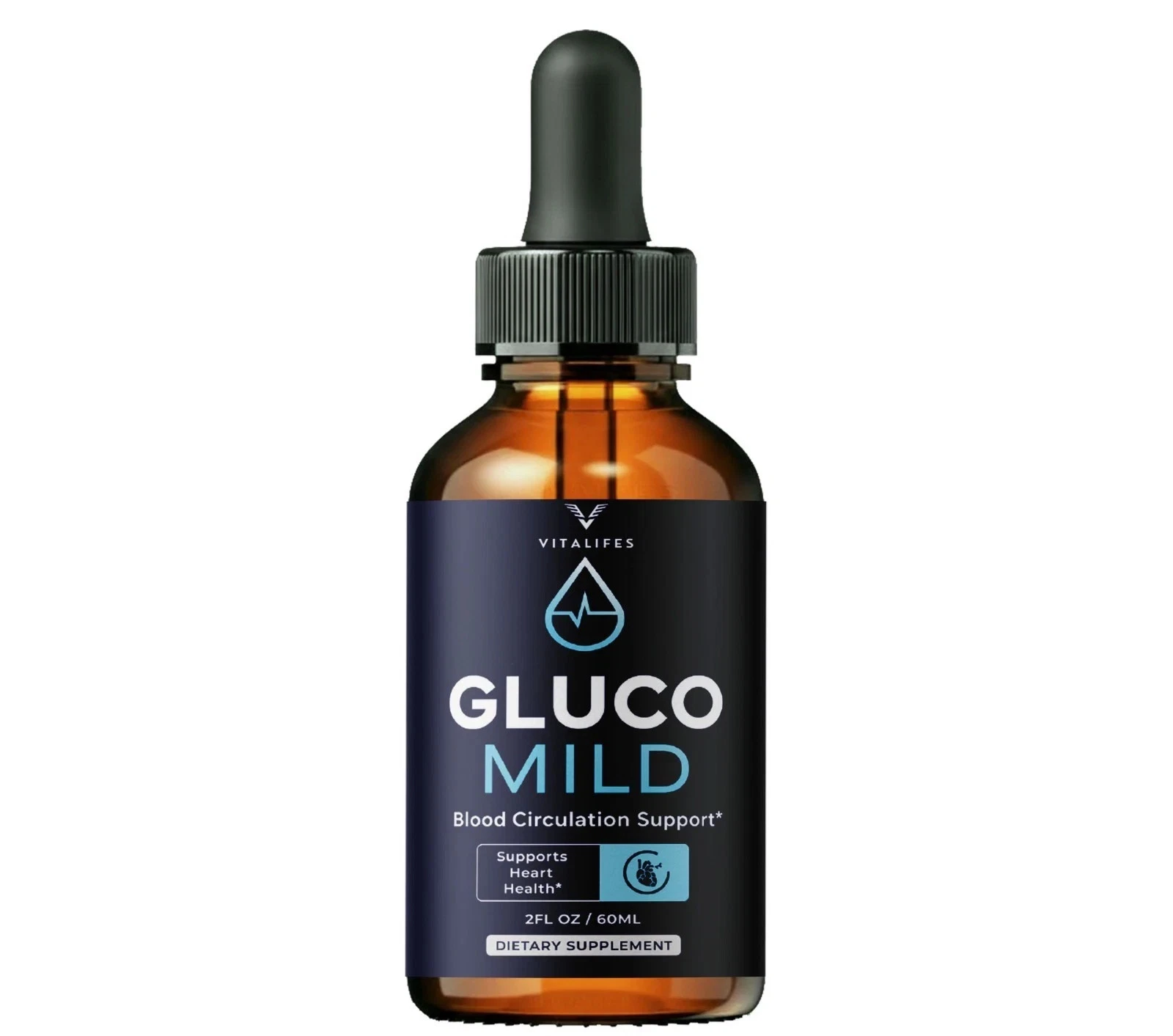
Gluco Mild sits alongside those measures, not instead of them
Seven named botanical extracts, two drops a day, and a website that prints the trial dose beside every ingredient and says where the comparison stops.
Price shown at the seller’s checkout · seller’s satisfaction money-back guarantee
Order Gluco Mild On The Official WebsiteTwo drops a day · 2 fl oz / 60 ml a bottle · lot GLU-26/GO-6518
Where a supplement legitimately sits
None of the above says the category is worthless, and this article would be dishonest in the other direction if it implied that.
The Cochrane review of phlebotonics pooled the randomised evidence for the whole oral class and found moderate-certainty evidence that they reduce oedema slightly compared with placebo, with low-certainty evidence on most symptom outcomes and more side effects than placebo. A small real effect is more than most supplement categories can show.
A 2026 network meta-analysis of 51 trials ranks the pharmacological options against one another, which is useful for ordering the field, while being weaker evidence than a direct comparison.
- As an adjunct, after an assessment. Knowing what is being managed comes first.
- Alongside compression and movement, not instead of them. Those act on the mechanism.
- Over a realistic period. The trials behind these plants ran eight weeks to two years. A fortnight settles nothing.
- With modest expectations. Slight reduction in oedema is the class ceiling, not a starting point.
- From a route with a refund process. If it does nothing for you, the money should be recoverable.
Why a retailer publishes this
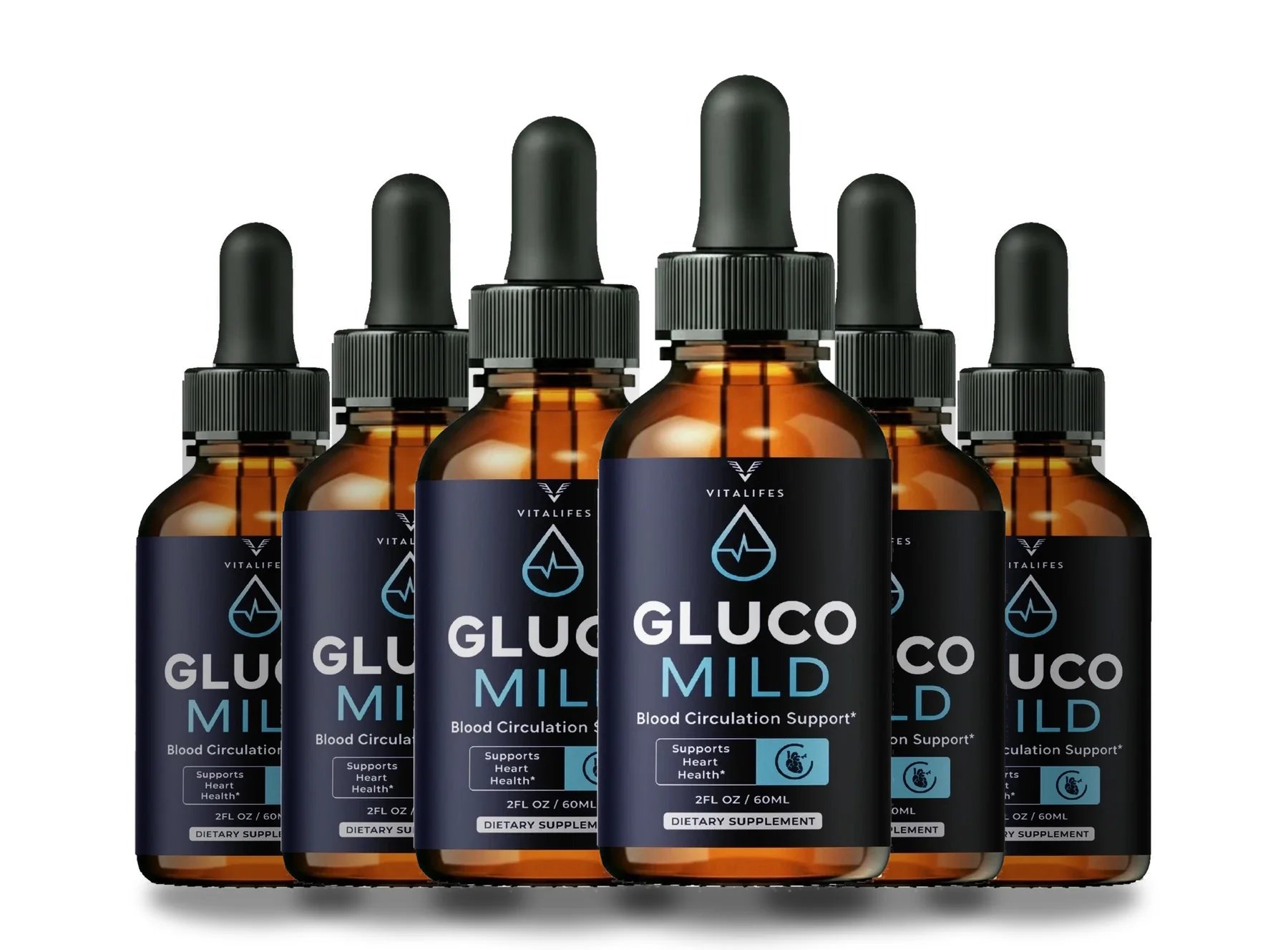
This website sells the bottle in the picture above and earns when somebody orders one. Publishing an article that tells part of its audience to make an appointment instead is a strange commercial decision on the face of it.
It is the right one for two reasons. The first is simple: a reader with a clot who spends three weeks on drops has been harmed by a page that did not say this, and no sale is worth that.
The second is that a website which only ever agrees with its own product cannot be checked by anybody. Everything else here asks a reader to believe a claim about a trial dose or a missing panel. An article that costs the seller something is the cheapest evidence available that the rest was written honestly.
The about page sets out the five editorial rules this desk works to and states plainly how it is paid.
Five questions worth taking to an appointment
- Is this one leg or both, and when did it start?
- Does it settle overnight, or is it there in the morning?
- Has the skin changed colour, thickened or broken anywhere, particularly around the ankle?
- Would compression be appropriate, and what grade and fit?
- Is there anything in my medication list that a botanical supplement would interact with?
The last one matters more than it looks on a page about legs. NCCIH's guidance on using supplements wisely is a good starting point, and anyone on an anticoagulant, a heart medicine or a blood pressure medicine should have that conversation before a first dose rather than after a third bottle.
A dietary supplement for healthy adults of 18 and over, sold as blood circulation and heart health support. Not a medicine and not FDA-approved. It does not diagnose anything, it does not replace an assessment, and it is not an answer to a leg that has changed over the last two days.
References
- Venous insufficiency. MedlinePlus Medical Encyclopedia, U.S. National Library of Medicine. https://medlineplus.gov/ency/article/000203.htm
- Gloviczki P, Lawrence PF, Wasan SM, et al. The 2022 Society for Vascular Surgery, American Venous Forum, and American Vein and Lymphatic Society clinical practice guidelines for the management of varicose veins of the lower extremities. Part I. J Vasc Surg Venous Lymphat Disord. 2023;11(2):231-261.e6. PMID 36326210. https://pubmed.ncbi.nlm.nih.gov/36326210/
- Gloviczki P, Lawrence PF, Wasan SM, et al. The 2023 Society for Vascular Surgery, American Venous Forum, and American Vein and Lymphatic Society clinical practice guidelines for the management of varicose veins of the lower extremities. Part II. J Vasc Surg Venous Lymphat Disord. 2024;12(1):101670. PMID 37652254. https://pubmed.ncbi.nlm.nih.gov/37652254/
- Martinez-Zapata MJ, Vernooij RW, Simancas-Racines D, et al. Phlebotonics for venous insufficiency. Cochrane Database Syst Rev. 2020;11(11):CD003229. PMID 33141449. https://pubmed.ncbi.nlm.nih.gov/33141449/
- Nguyen AN, Ta KT, Chuang KJ. Pharmacological interventions to treat chronic venous disease: a network meta-analysis. Phlebology. 2026. PMID 42529868. https://pubmed.ncbi.nlm.nih.gov/42529868/
- Using Dietary Supplements Wisely. National Center for Complementary and Integrative Health, National Institutes of Health. https://www.nccih.nih.gov/health/using-dietary-supplements-wisely