Gluco Mild Official Website › Circulation supplement guide
Circulation supplement guideThe Circulation Supplement Guide: What The Evidence Shows
Most circulation supplements are built from the same short list of plants, and that list has a real research literature behind parts of it. This guide goes through it plant by plant with the amounts the trials used, separates the vein evidence from the heart evidence, and marks the places where a familiar ingredient has no human record at all.
What has been measured, at what dose, over how long, and what none of it settles.
What a phlebotonic actually is
The symptoms, the mechanism behind them, and the pattern that belongs elsewhere.
The technical word for this category is phlebotonic. It covers oral preparations taken for the symptoms of chronic venous disease: heavy legs, aching, swelling around the ankle by evening, night cramps. They are not treatments for the valves themselves.
The symptoms come from pressure. Leg veins carry blood upwards against gravity using one-way valves and the squeeze of the calf muscle. When valves leak, pressure stays high in the standing leg, fluid is pushed out into the tissue, and the leg feels heavy by the end of the day.
That is the mechanism every plant below is proposed to act on, by one of two routes: tightening vein-wall tone, or reducing capillary leak. MedlinePlus describes the underlying condition in ordinary language, and it is worth reading before any supplement page, including this one.
Swelling in both legs that builds through the day and settles overnight is the pattern these products are sold for. Swelling, heat, colour change or pain in one leg only, particularly if it came on over hours, is a different pattern and wants assessing promptly. A clot presents that way and no supplement is an answer to one.
What the pooled evidence says about the category as a whole
What the whole class does when every trial of it is added together.
Start with the ceiling rather than a single plant, because it keeps everything afterwards in proportion. The Cochrane review of phlebotonics for venous insufficiency pooled the randomised evidence across the whole class and found moderate-certainty evidence that they reduce oedema slightly compared with placebo, with low-certainty evidence on most of the symptom outcomes and more side effects than placebo.
Both halves matter. A small real effect on swelling is more than most supplement categories can show, and a long way from what the packaging in this aisle implies.
A newer picture comes from a 2026 network meta-analysis of 51 trials, which ranks the pharmacological options against one another rather than each against placebo. Network analyses are useful for ordering a field and weaker as evidence than a head-to-head trial, and that distinction is worth holding onto.
Against that sits what the specialty recommends. The 2022 vascular surgery guidelines and part II of the same set put compression and procedural treatment at the centre of managing venous disease. Oral preparations appear around the edges of that picture.
Horse chestnut: the best-documented plant in the category
The plant with a comparison against standard care behind it, and the dose that achieved it.
If one ingredient on this shelf has earned its place it is horse chestnut seed extract, and the reason is the comparison it survived.
A 1996 Lancet trial compared oral horse chestnut seed extract against compression stockings in people with chronic venous insufficiency, and the extract matched the stockings on lower leg volume over twelve weeks. Compression is the standard of care, so matching it is a serious result rather than a promising one.
The dose was 50 mg of aescin twice daily. Aescin is the standardised marker, so the figure counts the marker rather than the seed, and a label printing neither cannot be compared with it.
The Cochrane review of horse chestnut seed extract pooled seventeen trials and called the extract an efficacious and safe short-term treatment, while asking for more definitive randomised evidence. A meta-analysis of thirteen trials and an earlier criteria-based review reach compatible conclusions, and a placebo-controlled oedema study covers the same ground in deep vein incompetence.
NCCIH states that raw horse chestnut seeds, bark, flowers and leaves are unsafe taken by mouth because they contain a toxic component. The trials above used standardised seed extracts with that component removed. A label naming horse chestnut without saying which of the two it contains has left out the detail the safety record turns on.
Gotu kola: a small literature with unusually clear doses
Five venous trials, a clear dose in each, and the caveats that come with a small literature.
Centella asiatica reaches this category as a titrated triterpenic fraction rather than as the leaf, and its venous trials report doses precisely.
A placebo-controlled trial in venous hypertensive microangiopathy ran the fraction at 60 mg twice daily. A dose-ranging trial compared 30 mg and 60 mg three times a day against placebo for oedema and capillary filtration, and a combined microcirculatory model covers venous hypertension over the same period. A long-haul flight study looked at ankle oedema on medium and long flights, and a further trial ran the same fraction in diabetic microangiopathy.
A systematic review of eight trials gathered that work for chronic venous insufficiency and found signs and symptoms improved, while noting what a reader should note too: the trials are small, several share authors, and much of the literature sits in one journal supplement.
The plant has a separate research life outside veins. A meta-analysis of cognition and mood outcomes, a trial in healthy older volunteers and a 2026 scoping review cover that ground, and a 2021 review of the plant sets out its chemistry. None of that is evidence for a leg, and it is listed here so a reader recognises it when a label borrows it. On safety, an expert panel assessment reviewed Centella-derived ingredients in cosmetic use, a different exposure route from swallowing an extract daily for months.
Butcher's broom: the largest pooled dataset here
Ten thousand subjects, one fixed combination, and why the companions matter.
Ruscus aculeatus reaches the trials almost always inside one fixed combination, and that shapes what its evidence can support.
A meta-analysis of 10,246 subjects pooled the trials of that combination in chronic venous insufficiency, which is by some distance the largest dataset on any plant in this guide. A twelve-week placebo-controlled trial tested a Ruscus preparation against placebo directly, and a European Venous Forum symposium report reviews where the combination sits in current practice.
The composition is the detail worth carrying away: roughly 150 mg of Ruscus extract with 150 mg of hesperidin methyl chalcone and 100 mg of vitamin C per capsule. A bottle naming butcher's broom alone is not carrying what those trials tested, and the two companions are not optional extras.
A case report proposed Ruscus for orthostatic hypotension on the basis of its vasoconstrictor action, a reminder that a plant acting on vessel tone acts on it everywhere rather than only where you want it to.
Hawthorn and grape seed: heart evidence is not vein evidence
Where the cardiovascular literature genuinely sits, and where it gets borrowed to.
Two plants here carry cardiovascular research that gets borrowed for legs, and that borrowing is where most of this aisle's overstatement happens.
Hawthorn's serious literature is about heart failure. The Cochrane review assessed extract for chronic heart failure and found benefit on symptoms and exercise tolerance. A dose-comparison trial is the one worth memorising: the standardised extract WS 1442 at 1,800 mg a day for sixteen weeks beat placebo on exercise workload, and the 900 mg arm of the same trial did not. The SPICE trial then ran the same extract in a large heart failure population, and a benefit-risk review weighs the whole of it. A crossover trial of flow-mediated dilation covers a vascular endpoint in prehypertensive adults.
Grape seed sits in blood pressure and endothelial function, not in legs. A dose-response meta-analysis covers flow-mediated dilation, blood pressure and heart rate across controlled trials, a meta-analysis of sixteen trials covers blood pressure specifically, and an earlier meta-analysis covers cardiovascular risk markers. A trial comparing 200 mg and 400 mg a day for twelve weeks found the 400 mg arm dropped systolic pressure by about 13 mmHg in people with prehypertension.
What the heart research supports
- Hawthorn has randomised evidence in heart failure at a named dose
- The 1,800 mg against 900 mg comparison shows dose decides the result
- Grape seed has repeated meta-analytic support on blood pressure
- Both plants have plausible vascular mechanisms behind those results
What it does not reach
- Neither has a chronic venous insufficiency trial behind it
- A blood pressure result is not an ankle swelling result
- The hawthorn work used one standardised extract, not hawthorn generally
- A label naming the plant without the extract cannot claim either literature
Two interaction facts belong here. A digoxin interaction study examined hawthorn alongside that drug, and a meta-analysis of the hawthorn and camphor combination found that pairing significantly increases blood pressure, which is the opposite of what a buyer would assume from the ingredient. NCCIH's hawthorn page and its grape seed page carry the plain-language versions.
Two familiar names with no oral human record in this indication
What the record contains for two ingredients this category keeps using.
Stone root and motherwort appear on circulation labels regularly. Neither has an oral human trial for venous symptoms at any dose, and saying so is more useful than filling the space with laboratory work about something else.
Stone root's record is two nineteenth-century case notes: an 1887 note in the British Medical Journal and an 1888 note in the South Med Rec. Everything since is chemistry rather than clinical work: a 1999 phytochemistry paper describing a novel flavanone from the plant, and a cell-line screen that included it among many natural products for an entirely different endpoint.
Motherwort has a pharmacological literature and it is not about legs. A review of cardiotonic plants places the genus among plants with traditional cardiac use and few clinical studies; a review of the genus and a review of Herba Leonuri chemistry cover the compounds. The one randomised motherwort trial tested an injection to prevent haemorrhage after induced abortion, which is a different route, a different population and a different purpose.
That is not an accusation that either plant is inert. It is a statement about what has been measured, and a reader deciding where to spend money is entitled to know which names are carried by evidence and which by tradition.
Reading a dose: the number that makes a citation usable
Why one word on two labels can mean quantities an order of magnitude apart.
The single most useful habit when reading any supplement page is to ask what amount a cited trial used, then to look for the same amount on the label.
The doses in this guide are not interchangeable. Fifty milligrams of aescin twice daily is a quantity of a standardised marker. Eighteen hundred milligrams a day of WS 1442 is a quantity of one named extract, and the same trial showed half of it did nothing. Sixty milligrams twice daily of a titrated triterpenic fraction is a third kind of number again.
An extract ratio changes everything and is often left off. A 10:1 extract at 100 mg is not 100 mg of dried herb, and a label printing a weight without saying which it means has printed half a fact.
This is why a missing panel is not a cosmetic failing. Without a printed amount none of the research above can be connected to a bottle at all, and the names on the front become a list of things that have been studied rather than a description of what you are swallowing.
| Ingredient | What the trials used | What that number counts |
|---|---|---|
| Horse chestnut | 50 mg aescin twice daily, 12 weeks | A standardised marker |
| Gotu kola | 60 mg twice daily, 8 weeks | A titrated triterpenic fraction |
| Butcher's broom | about 150 mg with two named companions | One component of a fixed combination |
| Chinese hawthorn | 1,800 mg a day of WS 1442, 16 weeks | One specific standardised extract |
| Grape seed | 400 mg a day, 12 weeks | Proanthocyanidin extract |
Five ingredients, five different kinds of number. Comparing them without reading the third column is how two very different products come to look alike.
What a circulation supplement is allowed to say
The line between a permitted claim and an unapproved drug claim, and who checks.
A dietary supplement in the United States may make structure and function claims: statements about supporting a normal structure or function of the body. It may not claim to treat, cure or prevent a disease, and a claim that it does turns the product into an unapproved drug.
So supports healthy circulation is inside the line and treats varicose veins is outside it. The FDA's questions and answers on dietary supplements set out the framework, including the point buyers most often miss: these products are not approved before they go on sale.
Two further things are worth knowing. An analysis of supplements implicated in liver injury found the contents frequently mislabelled, which argues for buying through a route with a returns process rather than for avoiding the category. And a systematic review of warfarin interactions catalogues how many botanicals move anticoagulant control, which matters to a great many people reading a circulation page.
The practical upshot
Six conclusions, then the product measured against them.
- Compression and movement are what the specialty guidelines put first. A supplement sits beside them rather than in place of them.
- Horse chestnut seed extract has the strongest single result in the category, at 50 mg of aescin twice daily.
- Gotu kola and butcher's broom have real venous trials, both at doses a label has to print for the comparison to mean anything.
- Hawthorn and grape seed carry cardiovascular evidence that does not extend to venous symptoms, however often it is implied.
- Stone root and motherwort have no oral human trial in this indication at any dose.
- Eight weeks is the shortest sensible test, so a two-week verdict is a verdict on nothing.
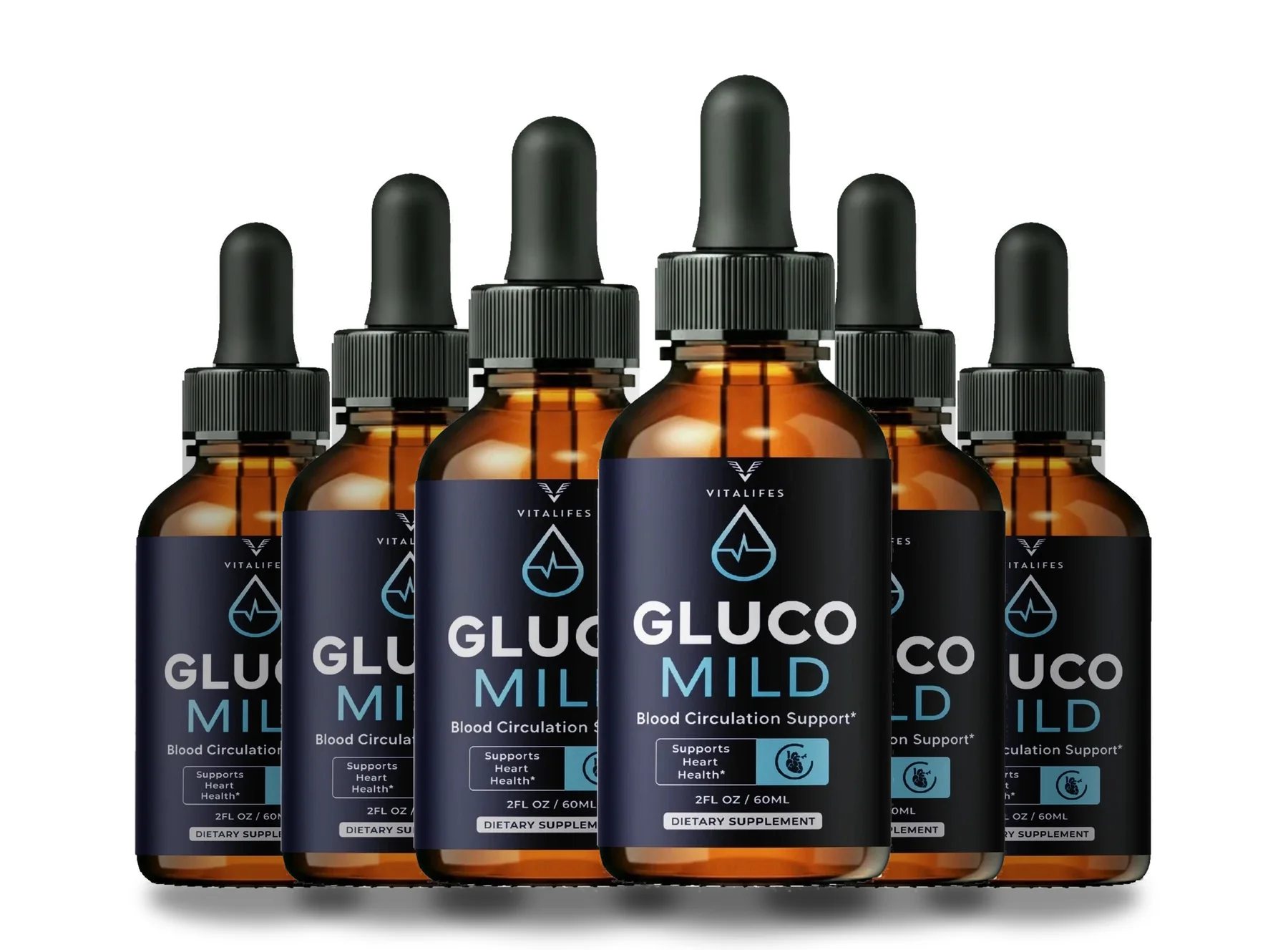
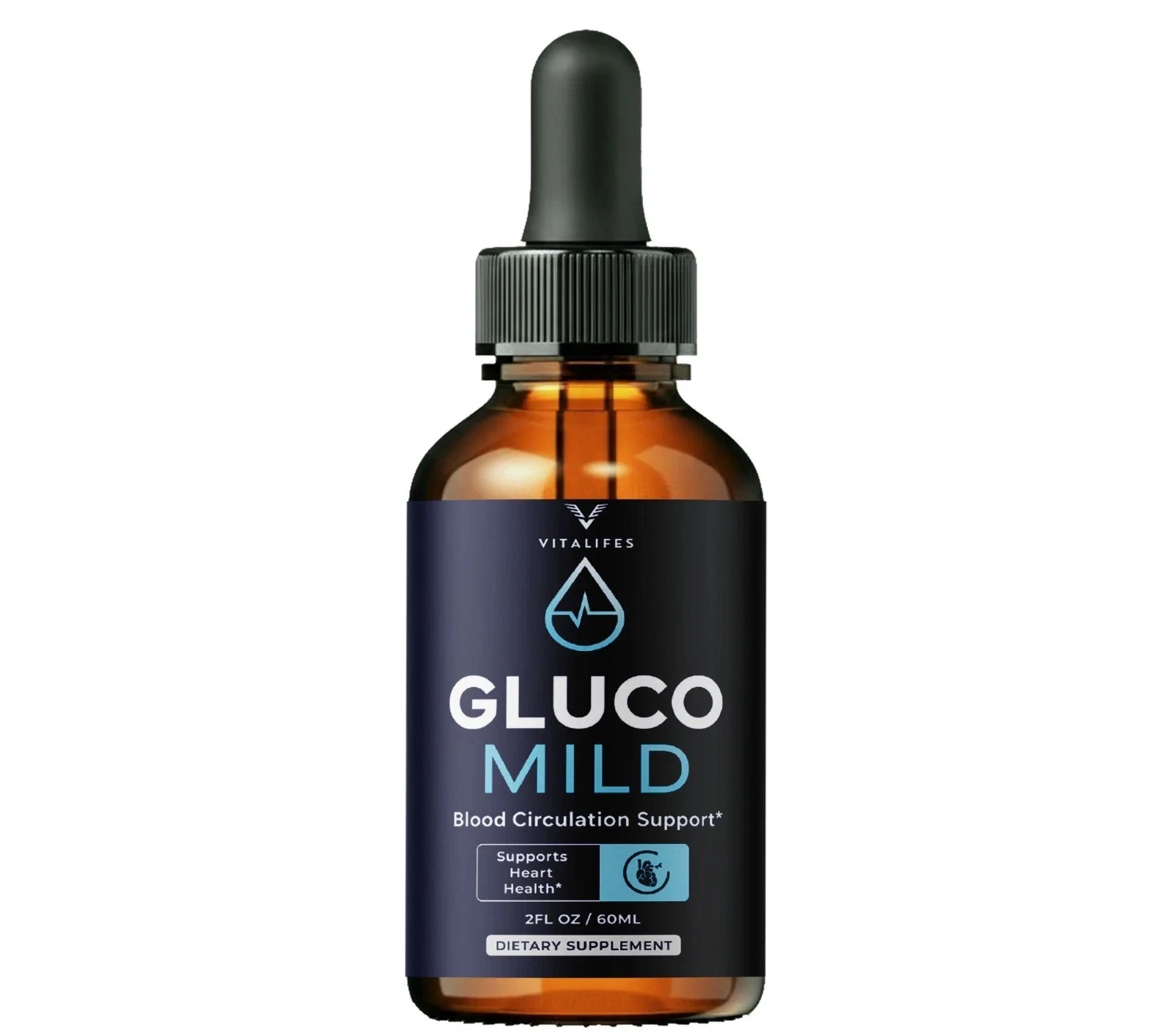
Set that against the product sold on this website and the position is plain. Gluco Mild names five plants with a record and two without, in a liquid taken two drops a day, and publishes no amount for any of them. The ingredients page prints the trial dose beside each name and leaves the bottle's column empty.
That is a documentation failure rather than a claim about what is in the liquid. A formula can be generously made and badly described, and from outside the two are indistinguishable.
Every source cited in this guide
Fifty-one references, in the order the plants appear on the label artwork, then the category yardstick and the safety material.
- Cesarone MR, Belcaro G, De Sanctis MT, et al. Effects of the total triterpenic fraction of Centella asiatica in venous hypertensive microangiopathy: a prospective, placebo-controlled, randomized trial. Angiology. 2001;52 Suppl 2:S15-18. PMID 11666117. https://pubmed.ncbi.nlm.nih.gov/11666117/
- De Sanctis MT, Belcaro G, Incandela L, et al. Treatment of edema and increased capillary filtration in venous hypertension with total triterpenic fraction of Centella asiatica: a clinical, prospective, placebo-controlled, randomized, dose-ranging trial. Angiology. 2001;52 Suppl 2:S55-9. PMID 11666125. https://pubmed.ncbi.nlm.nih.gov/11666125/
- Incandela L, Belcaro G, De Sanctis MT, et al. Total triterpenic fraction of Centella asiatica in the treatment of venous hypertension: a clinical, prospective, randomized trial using a combined microcirculatory model. Angiology. 2001;52 Suppl 2:S61-7. PMID 11666126. https://pubmed.ncbi.nlm.nih.gov/11666126/
- Cesarone MR, Incandela L, De Sanctis MT, et al. Flight microangiopathy in medium- to long-distance flights: prevention of edema and microcirculation alterations with total triterpenic fraction of Centella asiatica. Angiology. 2001;52 Suppl 2:S33-7. PMID 11666121. https://pubmed.ncbi.nlm.nih.gov/11666121/
- Incandela L, Belcaro G, Cesarone MR, et al. Treatment of diabetic microangiopathy and edema with total triterpenic fraction of Centella asiatica: a prospective, placebo-controlled randomized study. Angiology. 2001;52 Suppl 2:S27-31. PMID 11666119. https://pubmed.ncbi.nlm.nih.gov/11666119/
- Chong NJ, Aziz Z. A systematic review of the efficacy of Centella asiatica for improvement of the signs and symptoms of chronic venous insufficiency. Evid Based Complement Alternat Med. 2013;2013:627182. PMID 23533507. https://pubmed.ncbi.nlm.nih.gov/23533507/
- Torbati FA, Ramezani M, Dehghan R, et al. Ethnobotany, phytochemistry and pharmacological features of Centella asiatica: a comprehensive review. Adv Exp Med Biol. 2021;1308:451-499. PMID 33861456. https://pubmed.ncbi.nlm.nih.gov/33861456/
- Puttarak P, Dilokthornsakul P, Saokaew S, et al. Effects of Centella asiatica (L.) Urb. on cognitive function and mood related outcomes: a systematic review and meta-analysis. Sci Rep. 2017;7(1):10646. PMID 28878245. https://pubmed.ncbi.nlm.nih.gov/28878245/
- Wattanathorn J, Mator L, Muchimapura S, et al. Positive modulation of cognition and mood in the healthy elderly volunteer following the administration of Centella asiatica. J Ethnopharmacol. 2008;116(2):325-32. PMID 18191355. https://pubmed.ncbi.nlm.nih.gov/18191355/
- Pedregosa BIC, Navarro JC, Baroque GAB, et al. Therapeutic potential of gotu kola (Centella asiatica), phosphatidylcholine, and taurine in mood disorders: a systematic scoping review. Complement Med Res. 2026;1-16. PMID 42391143. https://pubmed.ncbi.nlm.nih.gov/42391143/
- Johnson W Jr, Bergfeld WF, Belsito DV, et al. Safety assessment of Centella asiatica-derived ingredients as used in cosmetics. Int J Toxicol. 2023;42(1_suppl):5S-22S. PMID 36812692. https://pubmed.ncbi.nlm.nih.gov/36812692/
- Pittler MH, Guo R, Ernst E. Hawthorn extract for treating chronic heart failure. Cochrane Database Syst Rev. 2008;2008(1):CD005312. PMID 18254076. https://pubmed.ncbi.nlm.nih.gov/18254076/
- Tauchert M. Efficacy and safety of crataegus extract WS 1442 in comparison with placebo in patients with chronic stable New York Heart Association class-III heart failure. Am Heart J. 2002;143(5):910-5. PMID 12040357. https://pubmed.ncbi.nlm.nih.gov/12040357/
- Holubarsch CJ, Colucci WS, Meinertz T, Gaus W, Tendera M. The efficacy and safety of Crataegus extract WS 1442 in patients with heart failure: the SPICE trial. Eur J Heart Fail. 2008;10(12):1255-63. PMID 19019730. https://pubmed.ncbi.nlm.nih.gov/19019730/
- Holubarsch CJF, Colucci WS, Eha J. Benefit-risk assessment of Crataegus extract WS 1442: an evidence-based review. Am J Cardiovasc Drugs. 2018;18(1):25-36. PMID 29080984. https://pubmed.ncbi.nlm.nih.gov/29080984/
- Tankanow R, Tamer HR, Streetman DS, et al. Interaction study between digoxin and a preparation of hawthorn (Crataegus oxyacantha). J Clin Pharmacol. 2003;43(6):637-42. PMID 12817526. https://pubmed.ncbi.nlm.nih.gov/12817526/
- Csupor D, Viczian R, Lantos T, et al. The combination of hawthorn extract and camphor significantly increases blood pressure: a meta-analysis and systematic review. Phytomedicine. 2019;63:152984. PMID 31255877. https://pubmed.ncbi.nlm.nih.gov/31255877/
- Asher GN, Viera AJ, Weaver MA, et al. Effect of hawthorn standardized extract on flow mediated dilation in prehypertensive and mildly hypertensive adults: a randomized, controlled cross-over trial. BMC Complement Altern Med. 2012;12:26. PMID 22458601. https://pubmed.ncbi.nlm.nih.gov/22458601/
- Hawthorn. National Center for Complementary and Integrative Health, National Institutes of Health. https://www.nccih.nih.gov/health/hawthorn
- Pittler MH, Ernst E. Horse chestnut seed extract for chronic venous insufficiency. Cochrane Database Syst Rev. 2012;11(11):CD003230. PMID 23152216. https://pubmed.ncbi.nlm.nih.gov/23152216/
- Diehm C, Trampisch HJ, Lange S, Schmidt C. Comparison of leg compression stocking and oral horse-chestnut seed extract therapy in patients with chronic venous insufficiency. Lancet. 1996;347(8997):292-4. PMID 8569363. https://pubmed.ncbi.nlm.nih.gov/8569363/
- Siebert U, Brach M, Sroczynski G, Berla K. Efficacy, routine effectiveness, and safety of horsechestnut seed extract in the treatment of chronic venous insufficiency. A meta-analysis of randomized controlled trials and large observational studies. Int Angiol. 2002;21(4):305-15. PMID 12518108. https://pubmed.ncbi.nlm.nih.gov/12518108/
- Pittler MH, Ernst E. Horse-chestnut seed extract for chronic venous insufficiency. A criteria-based systematic review. Arch Dermatol. 1998;134(11):1356-60. PMID 9828868. https://pubmed.ncbi.nlm.nih.gov/9828868/
- Diehm C, Vollbrecht D, Amendt K, et al. Medical edema protection - clinical benefit in patients with chronic deep vein incompetence. A placebo controlled double blind study. Vasa. 1992;21(2):188-92. PMID 1621440. https://pubmed.ncbi.nlm.nih.gov/1621440/
- Horse Chestnut. National Center for Complementary and Integrative Health, National Institutes of Health. States that the raw seeds, bark, flowers and leaves are unsafe taken by mouth because they contain a toxic component. https://www.nccih.nih.gov/health/horse-chestnut
- Shoemaker JV. Collinsonia canadensis. Br Med J. 1887;2(1396):712-3. PMID 20752052. https://pubmed.ncbi.nlm.nih.gov/20752052/
- Collinsonia canadensis. South Med Rec. 1888;18(4):136. PMID 36022907. https://pubmed.ncbi.nlm.nih.gov/36022907/
- Stevens JF, Ivancic M, Deinzer ML, et al. A novel 2-hydroxyflavanone from Collinsonia canadensis. J Nat Prod. 1999;62(2):392-4. PMID 10075799. https://pubmed.ncbi.nlm.nih.gov/10075799/
- Mazzio E, Badisa R, Mack N, et al. High throughput screening of natural products for anti-mitotic effects in MDA-MB-231 human breast carcinoma cells. Phytother Res. 2014;28(6):856-67. PMID 24105850. https://pubmed.ncbi.nlm.nih.gov/24105850/
- Orhan IE, Gokbulut A, Senol FS. Adonis sp., Convallaria sp., Strophanthus sp., Thevetia sp., and Leonurus sp. - cardiotonic plants with known traditional use and a few preclinical and clinical studies. Curr Pharm Des. 2017;23(7):1051-1059. PMID 27748195. https://pubmed.ncbi.nlm.nih.gov/27748195/
- Zhang RH, Liu ZK, Yang DS, et al. Phytochemistry and pharmacology of the genus Leonurus: the herb to benefit the mothers and more. Phytochemistry. 2018;147:167-183. PMID 29335190. https://pubmed.ncbi.nlm.nih.gov/29335190/
- Liu XH, Pan LL, Zhu YZ. Active chemical compounds of traditional Chinese medicine Herba Leonuri: implications for cardiovascular diseases. Clin Exp Pharmacol Physiol. 2012;39(3):274-82. PMID 22004449. https://pubmed.ncbi.nlm.nih.gov/22004449/
- Xia WT, Zhou H, Wang Y, et al. Motherwort injection in preventing post-abortion hemorrhage after induced abortion: a multi-center, prospective, randomized controlled trial. Explore (NY). 2020;16(2):110-115. PMID 31492552. https://pubmed.ncbi.nlm.nih.gov/31492552/
- Vanscheidt W, Jost V, Wolna P, et al. Efficacy and safety of a Butcher's broom preparation (Ruscus aculeatus L. extract) compared to placebo in patients suffering from chronic venous insufficiency. Arzneimittelforschung. 2002;52(4):243-50. PMID 12040966. https://pubmed.ncbi.nlm.nih.gov/12040966/
- Boyle P, Diehm C, Robertson C. Meta-analysis of clinical trials of Cyclo 3 Fort in the treatment of chronic venous insufficiency. Int Angiol. 2003;22(3):250-62. PMID 14612852. https://pubmed.ncbi.nlm.nih.gov/14612852/
- Kakkos SK, Bouskela E, Jawien A, Nicolaides AN. New data on chronic venous disease: a new place for Cyclo 3 Fort. Int Angiol. 2018;37(1):85-92. PMID 29063748. https://pubmed.ncbi.nlm.nih.gov/29063748/
- Redman DA. Ruscus aculeatus (butcher's broom) as a potential treatment for orthostatic hypotension, with a case report. J Altern Complement Med. 2000;6(6):539-49. PMID 11152059. https://pubmed.ncbi.nlm.nih.gov/11152059/
- Foshati S, Nouripour F, Sadeghi E, Amani R. The effect of grape (Vitis vinifera) seed extract supplementation on flow-mediated dilation, blood pressure, and heart rate: a systematic review and meta-analysis of controlled trials with duration- and dose-response analysis. Pharmacol Res. 2022;175:105905. PMID 34798267. https://pubmed.ncbi.nlm.nih.gov/34798267/
- Zhang H, Liu S, Li L, et al. The impact of grape seed extract treatment on blood pressure changes: a meta-analysis of 16 randomized controlled trials. Medicine (Baltimore). 2016;95(33):e4247. PMID 27537554. https://pubmed.ncbi.nlm.nih.gov/27537554/
- Feringa HH, Laskey DA, Dickson JE, et al. The effect of grape seed extract on cardiovascular risk markers: a meta-analysis of randomized controlled trials. J Am Diet Assoc. 2011;111(8):1173-81. PMID 21802563. https://pubmed.ncbi.nlm.nih.gov/21802563/
- Odai T, Terauchi M, Kato K, Hirose A, Miyasaka N. Effects of grape seed proanthocyanidin extract on vascular endothelial function in participants with prehypertension: a randomized, double-blind, placebo-controlled study. Nutrients. 2019;11(12):2844. PMID 31757033. https://pubmed.ncbi.nlm.nih.gov/31757033/
- Grape Seed Extract. National Center for Complementary and Integrative Health, National Institutes of Health. https://www.nccih.nih.gov/health/grape-seed-extract
- Martinez-Zapata MJ, Vernooij RW, Simancas-Racines D, et al. Phlebotonics for venous insufficiency. Cochrane Database Syst Rev. 2020;11(11):CD003229. PMID 33141449. https://pubmed.ncbi.nlm.nih.gov/33141449/
- Nguyen AN, Ta KT, Chuang KJ. Pharmacological interventions to treat chronic venous disease: a network meta-analysis. Phlebology. 2026. PMID 42529868. https://pubmed.ncbi.nlm.nih.gov/42529868/
- Gloviczki P, Lawrence PF, Wasan SM, et al. The 2022 Society for Vascular Surgery, American Venous Forum, and American Vein and Lymphatic Society clinical practice guidelines for the management of varicose veins of the lower extremities. Part I. J Vasc Surg Venous Lymphat Disord. 2023;11(2):231-261.e6. PMID 36326210. https://pubmed.ncbi.nlm.nih.gov/36326210/
- Gloviczki P, Lawrence PF, Wasan SM, et al. The 2023 Society for Vascular Surgery, American Venous Forum, and American Vein and Lymphatic Society clinical practice guidelines for the management of varicose veins of the lower extremities. Part II. J Vasc Surg Venous Lymphat Disord. 2024;12(1):101670. PMID 37652254. https://pubmed.ncbi.nlm.nih.gov/37652254/
- Venous insufficiency. MedlinePlus Medical Encyclopedia, U.S. National Library of Medicine. https://medlineplus.gov/ency/article/000203.htm
- Tan CSS, Lee SWH. Warfarin and food, herbal or dietary supplement interactions: a systematic review. Br J Clin Pharmacol. 2021;87(2):352-374. PMID 32478963. https://pubmed.ncbi.nlm.nih.gov/32478963/
- Navarro V, Avula B, Khan I, et al. The contents of herbal and dietary supplements implicated in liver injury in the United States are frequently mislabeled. Hepatol Commun. 2019;3(6):792-794. PMID 31168513. https://pubmed.ncbi.nlm.nih.gov/31168513/
- Questions and Answers on Dietary Supplements. U.S. Food and Drug Administration. https://www.fda.gov/food/information-consumers-using-dietary-supplements/questions-and-answers-dietary-supplements
See how Gluco Mild scores against the evidence above
Seven named botanical extracts, five of them with a venous record, and no amount printed for any of the seven. The ingredients page sets them out one at a time.
Price shown at the seller’s checkout · seller’s satisfaction money-back guarantee
Order Gluco Mild On The Official WebsiteTwo drops a day · 2 fl oz / 60 ml a bottle · lot GLU-26/GO-6518